
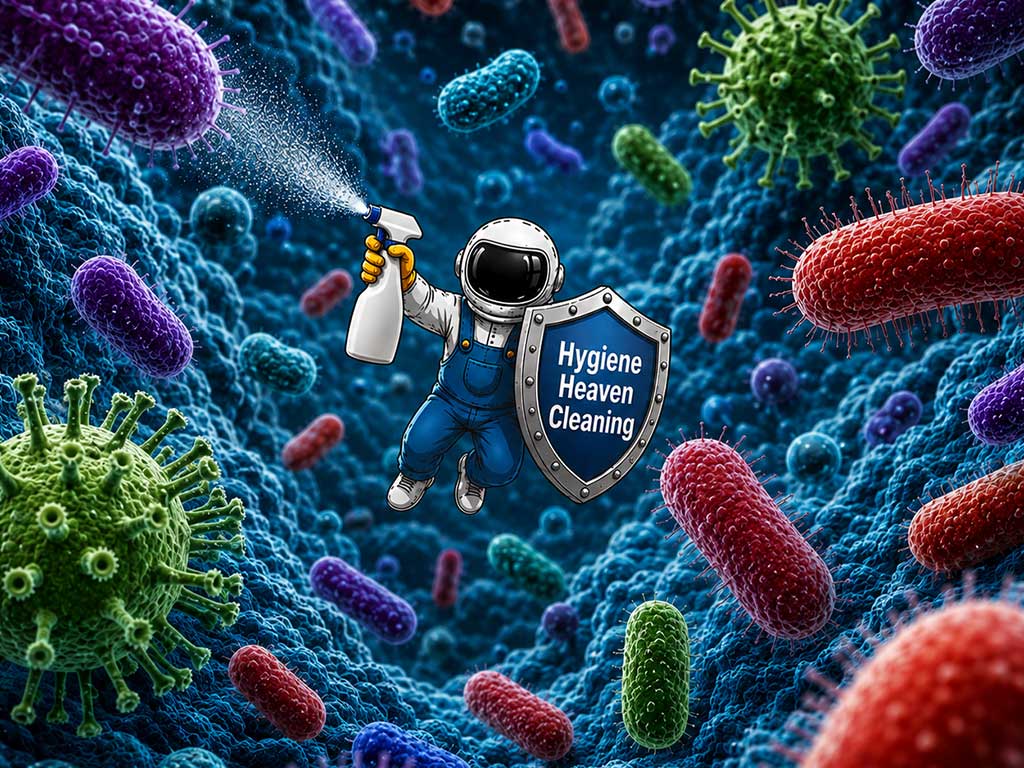
When we think of a dirty house, we often picture dusty shelves, muddy footprints in the hallway, or a pile of unwashed laundry. However, the true threats to our health are entirely invisible to the naked eye. Bacteria, viruses, and fungi thrive in specific areas of our homes, quietly multiplying and potentially compromising our well-being. But which parts of the house actually harbor the most bacteria? The answer is rarely what you expect.
1. The Invisible Enemy: How Household Bacteria Affect Your Health
It is easy to assume that a visually clean home is a healthy home. Unfortunately, microscopic bacteria can survive on surfaces for days, triggering various health issues. When bacteria and mold spores accumulate, they can significantly impact your immune system. According to general guidelines from the Centers for Disease Control and Prevention (CDC) and the American College of Allergy, Asthma, & Immunology (ACAAI), constant exposure to indoor allergens and bacterial buildup can exacerbate respiratory issues, trigger asthma attacks, and cause skin irritations.
When your immune system is constantly fighting off low-grade pathogens in your living environment, it can leave you feeling fatigued and more susceptible to common colds. This is why Allergy & Sensitive Cleaning isn’t just about making things look nice; it is a fundamental step in maintaining your family’s overall physical health and keeping your immune system strong.
2. The Most Contaminated Zones in Your Home
You might assume that the garbage can or the floor are the dirtiest places in your house. Surprisingly, a widely cited study by NSF International (a public health and safety organization) found that the highest concentration of household germs is often found in areas we use to clean ourselves and our food.
Here are the most notorious bacteria hotspots in your home:
- The Kitchen Sink and Sponges: Food particles and constant moisture make the kitchen sink a breeding ground for E. coli and Salmonella. In fact, your kitchen sponge is likely the single dirtiest item in your entire house.
- The Oven: Often neglected, the inside of your oven collects baked-on grease, food splatters, and carbonized debris. While the heat kills some germs during use, the residual grime left behind becomes a sticky trap for bacteria and pests when the oven is cool.
- The Toilet and Bathroom Sinks: Every time a toilet is flushed with the lid up, an invisible plume of contaminated water droplets sprays into the air, settling on bathroom sinks, faucets, and even toothbrushes.
- The Bathtub and Shower: The warm, humid environment of your shower is the perfect incubator for mold, mildew, and staph bacteria. Soap scum acts as a food source for these microorganisms, allowing them to multiply rapidly on tiles and showerheads.
- High-Touch Surfaces: Light switches, doorknobs, and appliance handles are touched dozens of times a day by unwashed hands, transferring bacteria from one person to another continuously.
3. How to Properly Tackle the Grime
To effectively reduce bacteria, you must distinguish between tidying up and actual cleaning. Tidying removes clutter, but cleaning removes dirt and organic matter where bacteria live.
To tackle these hotspots, start by maintaining a dry environment wherever possible; always wipe down your kitchen sink after doing the dishes and run an exhaust fan in the bathroom to reduce humidity. Use microfiber cloths, which are highly effective at trapping bacteria rather than just pushing it around. Pay special attention to your oven by using appropriate degreasers to break down the hardened grime, leaving no food residue behind. In the bathroom, regular scrubbing of the toilet bowl, seat, and base, along with consistent wiping of the bathtub, will prevent the buildup of dangerous biofilms. Remember to replace or sanitize your cleaning tools, like sponges and brushes, frequently so you aren’t accidentally cross-contaminating different rooms.
4. When Is It Time to Let the Professionals Take Over?
While regular weekly cleaning is essential, there comes a time when standard wiping and sweeping simply aren’t enough to eradicate deeply ingrained dirt and bacteria. Over time, grease solidifies, hard water stains trap germs, and unreachable corners gather thick layers of dust. This is when you need Deep Cleaning Services. Keep in mind, we don’t use harsh bio-hazard chemicals for extreme medical disinfection; instead, we focus on a highly detailed, meticulous deep clean that eliminates the everyday grime and hidden buildup that regular chores leave behind.
If you are looking for reliable house cleaning services in Richmond hill or general cleaning services in Richmond hill, look no further! If you live in Richmond Hill, Markham, Vaughan, or Newmarket (York Region), the good news is that we are right there in your neighborhood, ready to help you reclaim your healthy home! When life gets too busy, trust Hygiene Heaven Cleaning to give your home the fresh, detailed reset it deserves.
Book Now: https://hygieneheaven.ca/book-online/
Phone: 3656543222
5. Conclusion
A truly healthy home requires looking beyond the surface. By understanding where bacteria hide—from the grease in your oven to the moisture in your bathroom—you can take proactive steps to protect your family’s health and immune system. Regular maintenance combined with periodic deep cleaning ensures that your living space remains a safe, comfortable, and beautiful sanctuary. Don’t let invisible guests take over your house; stay vigilant, clean smart, and know when to call in the experts to do the heavy lifting for you.