

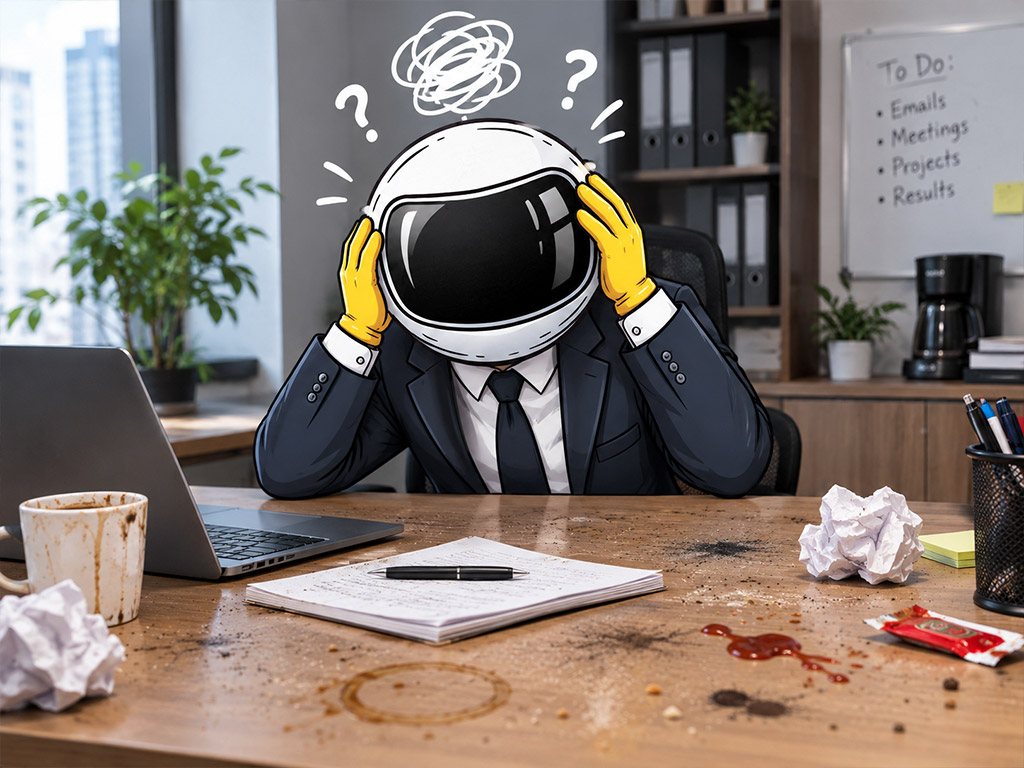
Have you ever tried to concentrate on an important task while sitting at a cluttered desk, surrounded by dust, overflowing bins, fingerprints, or an unpleasant smell? A workplace may look like a simple physical environment, but it can have a surprising influence on how employees feel, think, and work throughout the day.
Employees spend a significant portion of their waking hours at work, which means the condition of an office can directly affect their daily experience. A clean and organized environment can reduce distractions, support comfort, and create a more professional atmosphere.
But does office cleanliness actually affect concentration and productivity? The answer is more complicated than simply saying “a clean office is better.” In this article, we will explore how workplace hygiene can influence employee focus, what causes office environments to become unhygienic, common cleaning mistakes, and when professional cleaning may be the better solution.
Why Is Workplace Cleanliness Important?
A clean office is not only about appearance. Workplace hygiene can influence several factors that contribute to a productive working environment.
1. Fewer distractions
Visible clutter, dirty surfaces, overflowing garbage bins, and dusty workspaces can create visual distractions. Employees may find it harder to maintain attention when their surroundings constantly signal that something needs to be cleaned or organized.
2. A more comfortable environment
Dust, unpleasant odors, and poorly maintained common areas can make employees feel uncomfortable. A clean environment, on the other hand, can create a more pleasant space for employees, clients, and visitors.
3. Supporting workplace hygiene
Frequently touched surfaces such as door handles, keyboards, light switches, tables, and shared equipment can accumulate dirt and microorganisms throughout the day. Regular cleaning helps maintain a more hygienic workplace.
4. Professional image
Your office is part of your brand. Clients and business partners may form an impression of your company based on what they see when they walk through the door.
Important Note: Cleaning is not a substitute for proper workplace ventilation, hand hygiene, or occupational health practices. However, consistent cleaning can be an important part of maintaining a healthier and more comfortable office environment.
Signs Your Office Needs Better Cleaning
Sometimes an office needs more attention than its employees realize. Watch for signs such as:
- Dust accumulating on desks, shelves, vents, or electronics
- Persistent unpleasant odors
- Visible stains on carpets or upholstery
- Dirty or sticky high-touch surfaces
- Overflowing garbage bins
- Fingerprints on glass doors and windows
- Grime around kitchen or break-room areas
- Dusty corners and areas underneath furniture
- Bathroom surfaces that look dull or poorly maintained
- Employees or visitors frequently commenting on cleanliness
These signs do not necessarily mean the office is severely unhygienic. However, they can indicate that routine cleaning is not addressing all areas effectively.
What Causes Office Cleaning Problems?
Understanding why an office becomes dirty can make it easier to create an effective cleaning routine.
Foot traffic
Employees, customers, delivery workers, and visitors bring dirt and debris into the building. High-traffic entrances and hallways typically become dirty faster than low-use areas.
Dust accumulation
Dust can settle on desks, shelves, window frames, vents, and other surfaces. Areas that are difficult to reach are particularly easy to overlook.
High-touch surfaces
Door handles, switches, shared equipment, meeting tables, and kitchen appliances are touched repeatedly throughout the day. Without regular cleaning, these surfaces can quickly accumulate grime.
Food and beverages
Coffee stations, lunchrooms, and office kitchens are common sources of spills, crumbs, grease, and odors.
Inconsistent cleaning schedules
Cleaning only when the office “looks dirty” is rarely an effective strategy. Some contamination and buildup are not immediately visible.
Common Office Cleaning Mistakes
Mistake #1: Cleaning only what is visible
One of the biggest mistakes is focusing exclusively on obvious surfaces. Floors, desks, and countertops may look clean while less visible areas continue accumulating dust and grime.
Mistake #2: Using too much cleaning product
More cleaning solution does not automatically mean better cleaning. Excess product can leave residue on surfaces and may even attract more dust.
Mistake #3: Ignoring high-touch areas
A cleaning routine that focuses on appearance but overlooks frequently touched surfaces is incomplete.
Mistake #4: Using the same cleaning method everywhere
Different materials require different approaches. Glass, wood, carpet, upholstery, stainless steel, and electronic equipment should not automatically be treated with the same products or techniques.
Simple Ways to Keep an Office Cleaner
You do not need to deep clean the entire office every day. A few consistent habits can make a meaningful difference.
- Keep desks organized. Encourage employees to remove unnecessary papers, packaging, and food containers at the end of the workday.
- Clean spills quickly. Fresh stains are generally easier to address than stains that have had time to set.
- Empty garbage regularly. This can help prevent odors and discourage pests.
- Pay attention to shared spaces. Kitchens, meeting rooms, reception areas, and bathrooms often need more frequent attention.
- Create a cleaning checklist. Assign routine tasks and establish which areas require daily, weekly, or periodic attention.
These steps can help maintain an office between professional cleaning visits, but they are not designed to replace thorough cleaning when buildup has already developed.
When Should You Consider Professional Office Cleaning?
Routine employee cleaning can be useful for basic maintenance, but it has limitations. Employees are there to perform their actual jobs—not to spend significant amounts of working time cleaning carpets, scrubbing floors, or performing detailed sanitation.
Professional Office cleaning in Richmond Hill can be particularly useful when:
- Your office receives heavy daily foot traffic.
- Carpets have accumulated stains or embedded dirt.
- There are persistent odors despite routine cleaning.
- Common areas require frequent maintenance.
- The office has a large number of employees.
- You are preparing for an important client visit or company event.
- Your workplace has not received a thorough cleaning for an extended period.
- You are moving into or out of a commercial property.
- Regular cleaning is taking employees away from productive work.
Professional cleaners also have access to specialized equipment and cleaning methods designed for different surfaces. Depending on the condition of the workplace, Deep cleaning may address areas that routine cleaning simply cannot reach effectively.
For businesses requiring ongoing maintenance, Commercial Cleaning can provide a structured approach rather than relying on occasional emergency cleaning.
The goal is not simply to make an office “look clean.” A properly planned cleaning routine should address high-traffic areas, frequently touched surfaces, floors, washrooms, kitchens, and other areas according to how the workplace is actually used.
Prevention Tips for a Cleaner Workplace
A consistent prevention strategy is more effective than constantly reacting to visible mess.
- Vacuum carpets and floors regularly.
- Keep entrances and high-traffic areas under closer observation.
- Encourage employees to clean up food and drink spills immediately.
- Empty waste bins before they become full.
- Maintain good ventilation where possible.
- Clean shared equipment and high-touch surfaces regularly.
- Schedule periodic deep cleaning.
- Keep cleaning supplies properly stored and labeled.
- Review the cleaning checklist regularly and adjust it based on office usage.
Frequently Asked Questions
How often should an office be professionally cleaned?
The ideal frequency depends on office size, employee numbers, foot traffic, industry, and how frequently shared spaces are used. Some workplaces may benefit from several cleaning visits per week, while others may require less frequent service.
Can a clean office really improve employee concentration?
Cleanliness can reduce visible distractions, unpleasant odors, and discomfort, which may support a better working environment. However, concentration is influenced by many factors, including workload, lighting, noise, management, and workplace design.
What is the difference between regular cleaning and deep cleaning?
Regular cleaning focuses on maintaining everyday cleanliness. Deep cleaning is more detailed and targets accumulated dirt and areas that may not be included in routine cleaning.
Is professional office cleaning worth the cost?
For many businesses, professional cleaning can save employee time, maintain a consistent standard, and address areas that are difficult to clean with basic supplies. The value depends on the size and needs of the workplace.
When does an office need deep cleaning?
Deep cleaning may be appropriate when dirt has accumulated over time, carpets or upholstery have persistent stains, odors remain after routine cleaning, or the office is preparing for a move, renovation, or major event.
How can employees help maintain a clean office?
Employees can keep personal workspaces organized, dispose of food and waste properly, report spills quickly, and leave shared areas clean after use. These simple habits complement professional cleaning.
Conclusion
A clean office is more than a matter of appearances. While cleanliness alone cannot guarantee higher productivity or better concentration, a well-maintained workplace can reduce distractions, improve comfort, support hygiene, and create a stronger professional impression.
For businesses that have outgrown basic cleaning routines, professional Cleaning services can provide a more consistent solution. Periodic deep cleaning can also address accumulated dirt and overlooked areas that routine maintenance may miss.
At Hygiene Heaven Cleaning, the goal is simple: help businesses maintain cleaner, more comfortable workplaces so their teams can focus on what actually matters—their work. If your office needs more than a quick surface clean, it may be time to consider a professional cleaning plan tailored to your workplace.