

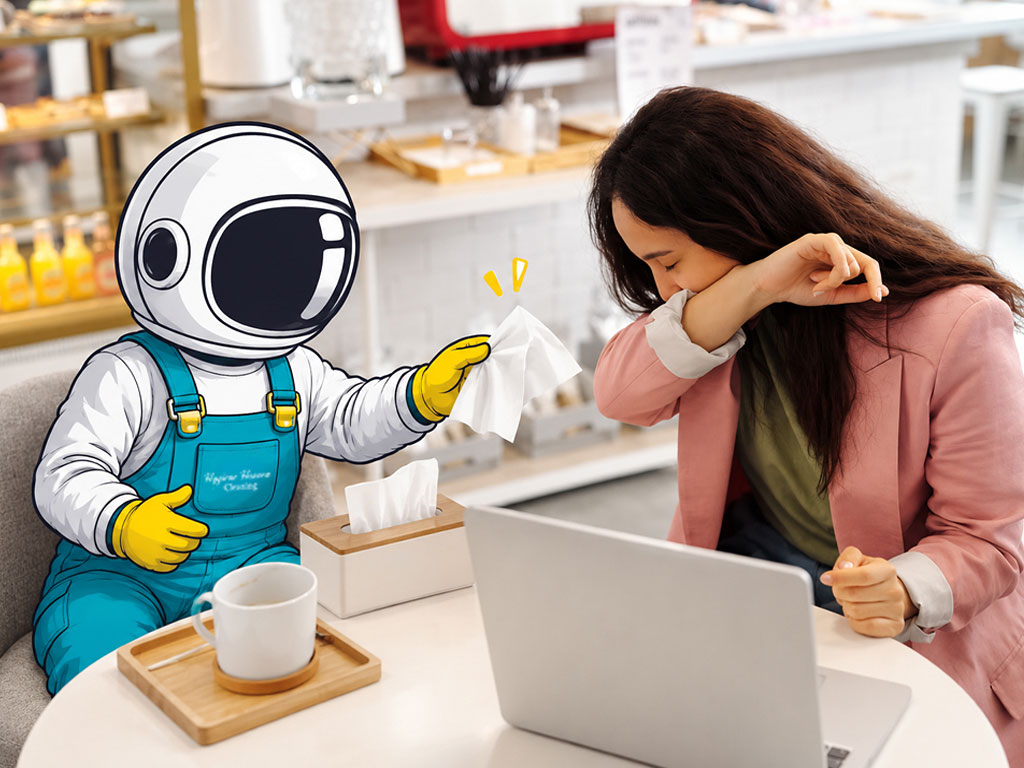
Do you find yourself sneezing every morning or throughout the day, even when you don’t have a cold? Many people assume seasonal allergies are to blame, but the real cause may be much closer than they think. Your home can collect dust, allergens, and other irritants that quietly affect the air you breathe every day. While occasional sneezing is normal, frequent sneezing indoors may be a sign that your living environment needs attention. In this article, we’ll explore some of the most common household causes of daily sneezing, practical ways to reduce them, and when professional cleaning may make a real difference.
Why This Matters
Your home should be a place where you can relax and feel comfortable. However, over time, it can become a collection point for tiny particles that are invisible to the naked eye. Dust, pet dander, pollen, mold spores, and even everyday household chemicals can build up without obvious signs. Every time you walk across a carpet, fluff a pillow, or turn on your heating or cooling system, some of these particles can become airborne.
For people with allergies or sensitive airways, this can lead to repeated sneezing, itchy eyes, or a constantly runny nose. Even those without diagnosed allergies may notice symptoms if indoor air quality is poor. Keeping your home clean isn’t only about appearance—it also helps create a healthier environment for everyone living there.
What Could Be Causing Daily Sneezing?
One of the most common causes is ordinary household dust. It settles on shelves, furniture, curtains, and flooring every day. Dust also contains tiny particles such as skin cells, fabric fibers, and dust mites, which are a common trigger for allergy symptoms. Regular dusting and vacuuming can help reduce these irritants before they spread through the air.
Another possible culprit is pet dander. Even if your home looks spotless, cats and dogs naturally shed microscopic skin flakes that can remain in the air or settle on furniture for long periods. Bathing pets regularly and cleaning upholstered furniture can help minimize exposure.
Mold is another issue that often goes unnoticed. It tends to grow in damp places like bathrooms, kitchens, laundry rooms, or basements. Because mold spores are extremely small, they can easily become airborne and irritate sensitive noses. If you notice musty odors or visible mold, it’s important to address the moisture problem rather than simply wiping away the surface.
Your HVAC system may also play a role. Heating and cooling systems circulate air throughout the home, and dirty filters or dusty air vents can spread allergens from one room to another. Replacing air filters on schedule and keeping vents clean can improve indoor air quality significantly.
Finally, pollen doesn’t always stay outside. It can enter your home on shoes, clothing, open windows, or even your pets’ fur. During allergy season, this means your home may continue exposing you to pollen long after you’ve come indoors.
Practical Tips
Here are a few simple habits that can help reduce common indoor allergy triggers:
- Dust surfaces regularly using a damp microfiber cloth instead of a dry duster.
- Vacuum carpets and upholstered furniture with a vacuum that has a HEPA filter.
- Replace HVAC filters according to the manufacturer’s recommendations.
- Control moisture in bathrooms and kitchens to help prevent mold growth.
- Remove shoes at the entrance and wash bedding regularly to reduce pollen and dust buildup.
When Is It Time to Call a Professional?
Regular household cleaning goes a long way, but sometimes it isn’t enough. If you continue sneezing despite keeping your home tidy, hidden dust, mold, or allergens may be accumulating in areas that are difficult to reach. Deep cleaning services can target neglected spaces such as baseboards, behind appliances, air vents, and other overlooked areas where dust tends to collect.
For homeowners looking for reliable house cleaning services in Richmond Hill, choosing a professional local cleaning team can make it easier to maintain a cleaner and more comfortable home. Hygiene Heaven Cleaning provides professional cleaning services designed to tackle dust, dirt, and buildup in areas that are often missed during routine cleaning. As a trusted cleaning company in Richmond Hill, our team can help give your home the detailed attention it needs, whether you’re looking for a deep clean or ongoing cleaning support.
Professional cleaners also have the equipment and experience to remove built-up dirt more effectively than routine cleaning alone. While professional cleaning is not a medical treatment for allergies, it can help improve the cleanliness of your home and reduce many common indoor irritants that contribute to poor indoor air quality.
Conclusion
If you find yourself sneezing every day, don’t assume the weather is always to blame. Your home may be sending you an important signal. Dust, pet dander, mold, and poor indoor air quality can all contribute to everyday discomfort, even when your home appears clean.
Simple cleaning habits can make a noticeable difference, but persistent problems may require a more thorough approach. A professionally deep-cleaned home not only looks fresher but can also provide a cleaner, more comfortable environment for you and your family. If it’s been a while since your last deep clean, now may be the perfect time to give your home the attention it deserves.
References
- World Health Organization (WHO). Housing and Health Guidelines.
- U.S. Environmental Protection Agency (EPA). Indoor Air Quality (IAQ).
- Centers for Disease Control and Prevention (CDC). Mold and Your Health.
- Mayo Clinic. Allergy Symptoms and Causes.
- American College of Allergy, Asthma & Immunology (ACAAI). Dust Allergy.
- National Institute of Environmental Health Sciences (NIEHS). Indoor Air Pollution.
- American Lung Association. Improve Indoor Air Quality.